Blog
HPV Vaccine: Should You Get It? Complete Guide to Benefits, Risks & What You Need to Know
What is HPV-
Human Papillomavirus (HPV) is a group of more than 150 strains. It spreads mainly through intimate skin-to-skin contact, including sexual contact.
Most HPV infections remain asymptomatic, but some can cause Cervical cancer (the most common HPV-related cancer), Anal, vulvar, vaginal, penile, and throat cancers, and Genital warts.
According to the World Health Organization (WHO), nearly 99% of cervical cancer cases are linked to HPV infection.
Why HPV Vaccination is important
Cervical cancer is one of the leading causes of cancer deaths among women, especially in developing countries like India. But now it is preventable through timely HPV vaccination and regular screening.
Prevents most cases of cervical and other HPV-related cancers. Protects both men and women
It works best before exposure to the virus, which means when given before girls become sexually active.
HPV vaccination:
Prevents most cases of cervical and other HPV-related cancers. Protects both men and women
It works best before exposure to the virus, which means when given before girls become sexually active. Who Should Get the Vaccine?
The vaccine is recommended for both girls and boys because HPV affects everyone.
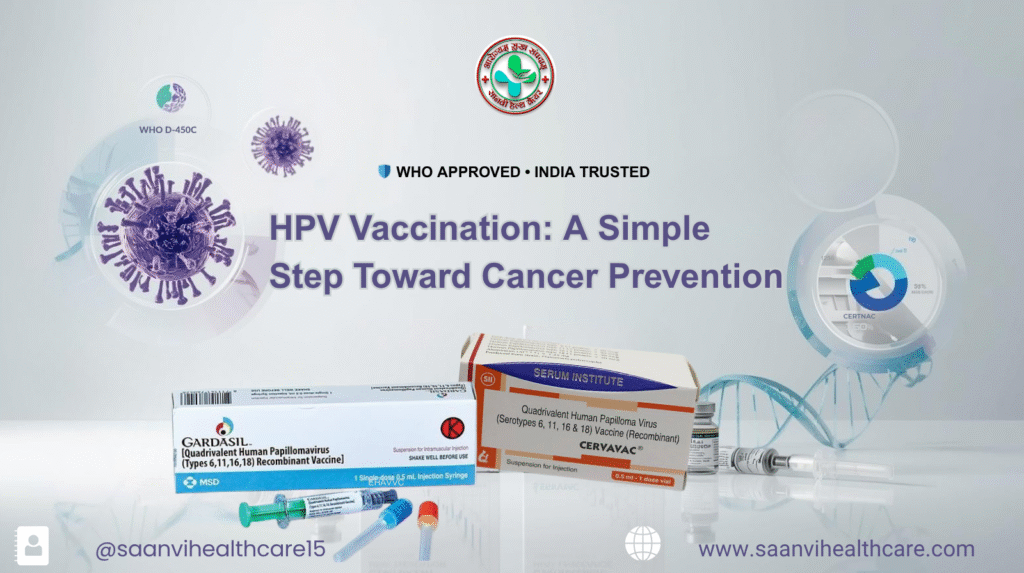
HPV Vaccines brands available in India
- Cervarix – protects against HPV types 16 and 18 (major causes of cervical cancer)
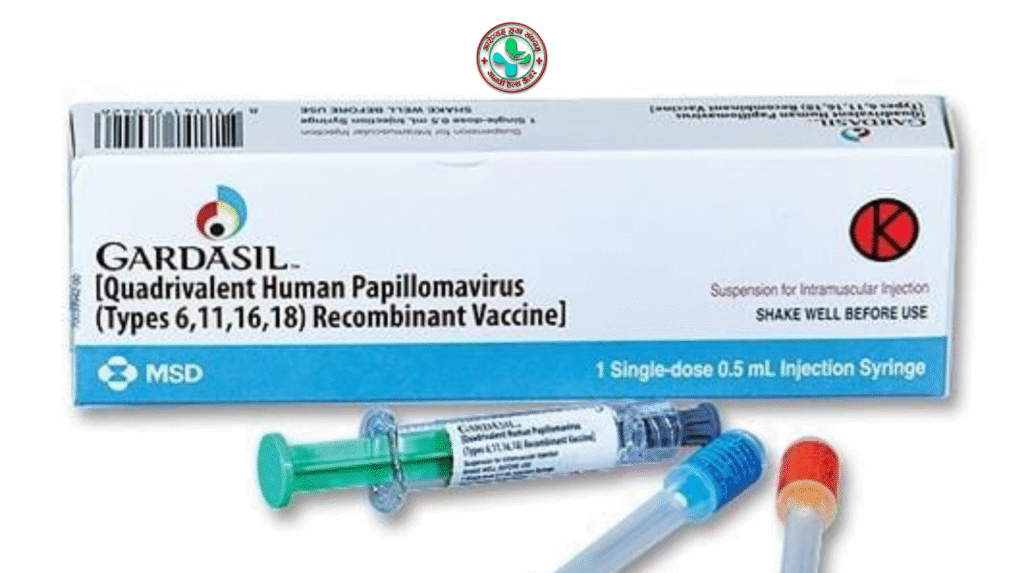
- Gardasil – protects against HPV types 6, 11, 16, and 18
- Gardasil 9 – offers broader protection against 9 HPV types
Approximate Cost per Dose
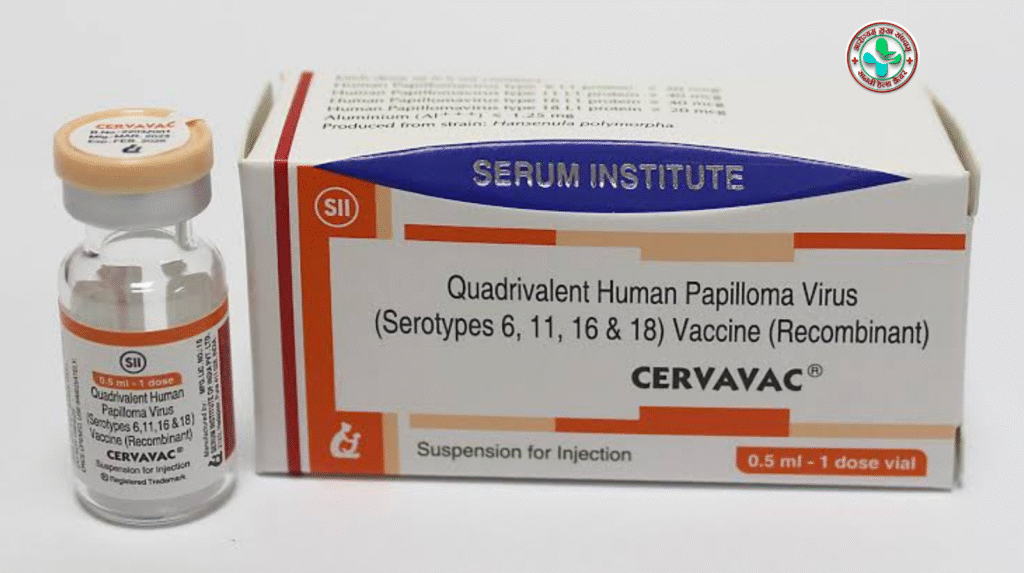
- Cervavac: Around Rs. 4000 for the full two-dose course.
- Gardasil: Approximately Rs. 8,000 for two doses.
- Gardasil9: Approximately Rs 22,000 for two doses.
Vaccination Schedule
For 2-dose schedule (ages 9–14 years) — Most Effective
- 1st dose: Day 0
- 2nd dose: After 6–12 months
- 1st dose: Day 0
- 2nd dose: After 1 to 2 months
- 3rd dose: After 6 months
Common Side Effects
Like any vaccine, minor side effects can happen, but usually don’t last long:
- Mild pain, redness, or swelling at the injection site
- Low-grade fever
- Headache or fatigue
Myths vs. Facts About HPV Vaccine
| Myth | Fact |
|---|---|
| “Only women need it.” | HPV affects both men and women; both should get vaccinated. |
| “It causes infertility.” | There is no evidence to support this; vaccines do not affect fertility. |
| “It’s not necessary if I’m healthy.” | Even healthy individuals are at risk once sexually active. |
| “It’s unsafe.” | The HPV vaccine is clinically proven and globally recommended. |
HPV Vaccination in India
The Government of India is introducing HPV vaccination under the Universal Immunization Program (UIP) to make it accessible for all girls aged 9–14 years.
The indigenous CERVAVAC vaccine has made HPV protection affordable. It costs only a small part of what imported vaccines do.
Several states, like Sikkim and Delhi, have already started school-based vaccination programs.
Prevention Beyond Vaccination
Vaccination alone does not provide complete protection. Women should also:- Have routine Pap tests or HPV DNA tests done.
- Use condoms and other forms of contraception.
- Stay away from cigars and cigarettes because of their association with a higher risk of cervical cancer.
- Make appointments with medical personnel to check anything that is not normal.
Final Thoughts
HPV vaccination is a powerful tool in the fight against cervical cancer that can prevent the deaths of millions. It is safe and effective, but the accessibility and awareness issues are still low.
Every single person involved in the education of children, including parents, teachers, and healthcare providers, can encourage vaccination at the right age. Thus, we can turn “Cervical Cancer Free India” into a reality.
Every single person involved in the education of children, including parents, teachers, and healthcare providers, can encourage vaccination at the right age. Thus, we can turn “Cervical Cancer Free India” into a reality.
Ready to Protect Your Family?
Don’t wait for symptoms to occur. Start preventing today.
👉 Speak to your doctor about the HPV vaccination
👉 Check to see if your state has free vaccination programs
👉 Share this information with family and friends Together, we can make “Cervical Cancer Free India” a reality. Every vaccination matters.
Every conversation matters. Because prevention is always better than a cure.
👉 Speak to your doctor about the HPV vaccination
👉 Check to see if your state has free vaccination programs
👉 Share this information with family and friends Together, we can make “Cervical Cancer Free India” a reality. Every vaccination matters.
Every conversation matters. Because prevention is always better than a cure.
FAQ
At what age should my child get the HPV vaccine?
The best time to vaccinate with the HPV vaccine is from 9 to 14 years, when someone is not yet sexually active. Only two doses are needed at this age, and this is when the immune response is the strongest. However, the vaccine is still good for teenagers and young adults up to 26 years, and sometimes up to 45 years.
Why do boys need the HPV vaccine if they can't get cervical cancer?
HPV is the cause of cancers in boys and men as well. They can get anal, penile, and throat cancers, as well as genital warts, from HPV. Also, vaccinating boys prevents them from spreading the virus to their partners and, therefore, helps protect the community.
Is the HPV vaccine safe?
Yes, certainly. The HPV vaccine went through and is still under very stringent tests and has been given the green light by the WHO, CDC, FDA, and ICMR. There have been more than 300 million doses given globally, and very few adverse effects have been reported during this period. Side effects are usually of a minor and short-lived nature.
How long does the HPV vaccine protection last?
At the moment, the scientific community agrees that the duration of the protection is at least 10 to 12 years. Studies are also ongoing, but it is preliminarily believed that the vaccine may protect for a lifetime. At present, no additional doses are advised.
saanviHealthcare
0